How Do I Know if My Septic Filter Is Clogged? 5 Warning Signs
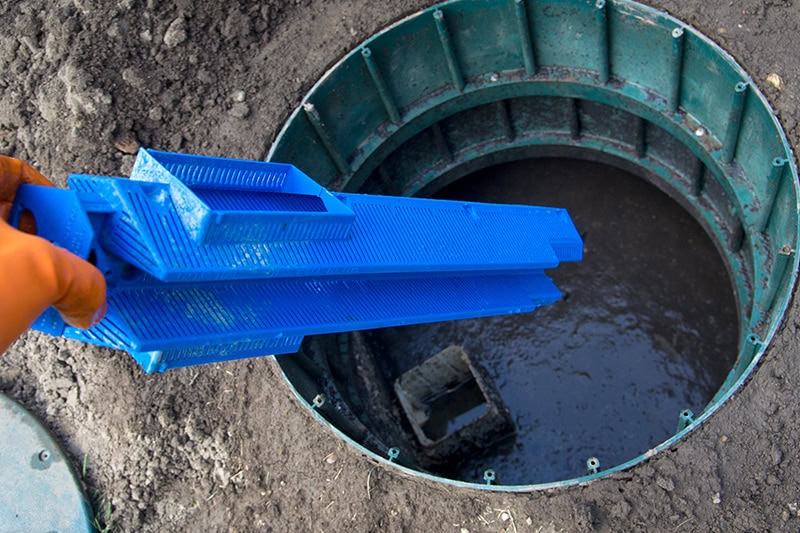
Meet the hero of your septic system: the effluent filter.
This out-of-sight, out-of-mind component is your drain field’s final defense against particulate matter, such as hair, lint, and sludge that didn’t settle at the bottom of the septic tank. When the filter is unobstructed and working, it keeps your drain field pipes flowing in Ladue.
At Tony LaMartina Plumbing Company, we’ve seen the costly, messy catastrophe a clogged effluent filter can cause: overwhelmed drain fields, backups, and even raw sewage surfacing in the yard. Knowing the red flags of a clog can save you thousands in repairs and make you a more informed Missouri homeowner.
Do I Really Need an Effluent Filter?
If your home was built or your tank was upgraded in the last 20 years, you likely have an effluent filter. If you don’t have one, you probably should.
The filter is located at the outlet “T” of your septic tank—the point where liquid exits the tank and heads toward your drain field. Without a filter, solids flow directly into your drain field pipes, plugging them and effectively ruining your system.
Now that you know why an effluent filter is essential, let’s consider its longevity and maintenance needs.
How Long Do Filters Last?
A high-quality septic filter is designed to last as long as the tank itself, provided it is maintained. Depending on your household size and water usage, a filter typically needs to be inspected and cleaned every 6 to 12 months.
Pro Tip: If you have a large family or do a lot of laundry, you should have your filter checked more frequently. Our technicians at Tony LaMartina Plumbing Company recommend cleaning the filter every time you have your tank pumped.
5 Signs Your Septic Filter Is Clogged
A clogged filter creates a blockage in your plumbing. If water can’t leave the tank, it has nowhere to go but back toward your house. Watch for these red flags:
- Slow Drains Throughout the House: If just one sink is slow, the blockage is in that specific pipe. If every sink, tub, and toilet feels sluggish, the blockage is likely at the tank.
- Gurgling Pipes: That “glug-glug” sound when you flush is often air being trapped by water backing up behind a clogged filter.
- Sewage Odors: If you smell “rotten eggs” near the septic tank or in your yard, the filter may be preventing effluent from escaping, causing the tank to overfill.
- Pooling Water in the Yard: If the area around your septic lids is unusually soggy or the grass is suspiciously bright green, water may be seeping out of the lids because the filter is blocked.
- Backups in the Basement: The first sign of total filter failure is usually water backing up into the lowest point of the house, like a basement shower or floor drain.
How to Access and Clean Your Septic Filter
To find the filter, open the small lid that is closest to the drain field in your yard. After removing the lid, you will see a PVC pipe with a handle sticking up—that is your filter.
Safety Warning: Never lean into or enter a septic tank. The gases inside, methane and hydrogen sulfide, are toxic and can be fatal in seconds. Always work from your yard’s surface.
Once you’ve found the filter, decide whether to clean it or leave it to the professionals.
Should You DIY or Call a Pro?
Cleaning the effluent filter is not a do-it-yourself task for most homeowners. It is a messy, smelly job. However, if you have a strong stomach and the right tools, it is possible:
- Wear heavy rubber gloves and eye protection.
- Locate the “T,” then use a hook tool or the filter handle to pull the filter straight up.
- Position the filter over the inlet side of the septic tank, facing your house, so the debris you wash off falls back into the tank. Hose the filter down.
- Use a soft-bristled brush to scrub stubborn debris from the mesh.
- Slide it back into the housing and seat it firmly.
Many homeowners gladly leave this chore to the professionals. Our Tony LaMartina Plumbing Company technicians can clean the filter and check the sludge and scum levels to determine whether a pump-out is needed.
The U.S. Environmental Protection Agency recommends pumping the tank if more than 25 percent of the liquid depth is sludge and scum.
How to Prevent Effluent Filter Clogs
The best way to maintain your filter is to be mindful of what goes down the drain. To keep your filter clean longer:
TP and Waste Only: Flush only toilet paper and human waste. Don’t be fooled by other products that claim to be flushable, such as moist wipes. They are a major cause of filter clogs.
Limit Garbage Disposal Use: Food scraps don’t break down quickly and can float directly into the filter.
Limit the Lint: Consider installing a lint trap on your washing machine discharge line.
Get a Professional Septic System Checkup Today!
If your drains are slow or you can’t remember when your filter was last cleaned, it’s time to call in the experts.
At Tony LaMartina Plumbing Company, we specialize in keeping Ladue septic systems in peak condition. We provide thorough inspections, professional filter cleaning, and the peace of mind that comes with knowing your plumbing is in the hands of pros. Call us at 314-403-2980 or schedule service online.