
News
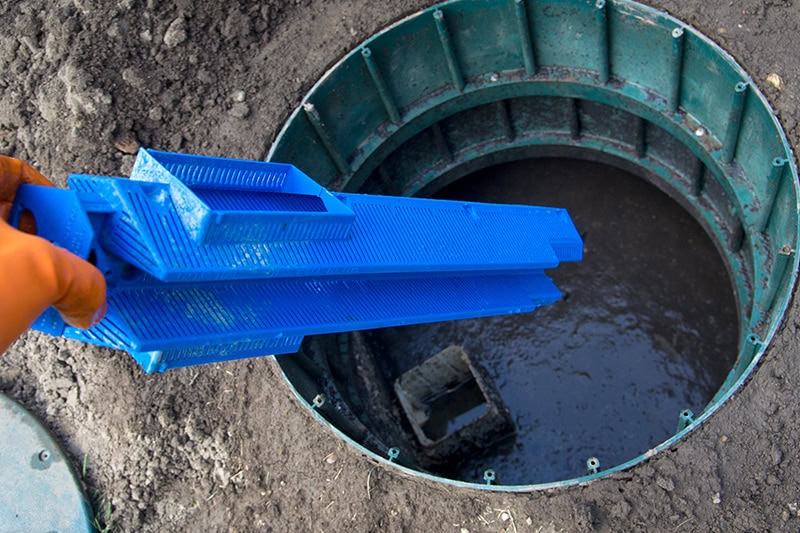
Meet the hero of your septic system: the effluent filter. This out-of-sight, out-of-mind component is your drain field’s final defense against particulate matter, such as hair, lint, and sludge that didn’t settle at the bottom of the septic tank. When the filter is unobstructed and working, it keeps your drain field pipes flowing in .…
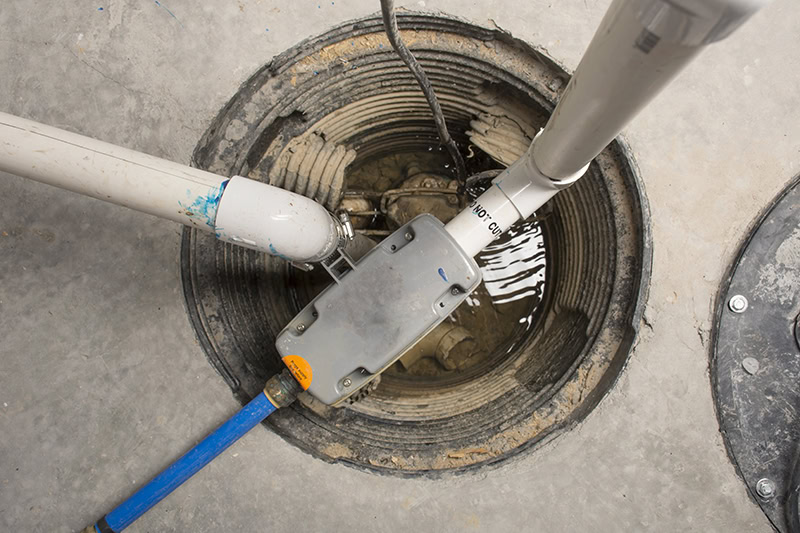
If you live in a flood-prone area in , a sump pump is an absolute necessity. Imagine that during the next heavy rain, the ground around your home becomes saturated, and before you know it, water starts pooling in your basement or crawl space. It might start small—a damp corner, a trickle here or there—but…

When winter shows its fury, and temperatures drop into the single digits, most homeowners in worry about their furnace or heating bills. At , we know the biggest threat to your comfort and wallet this winter lurks silently between walls and beneath your floorboards: frozen pipes. A single burst pipe can release more than 250…
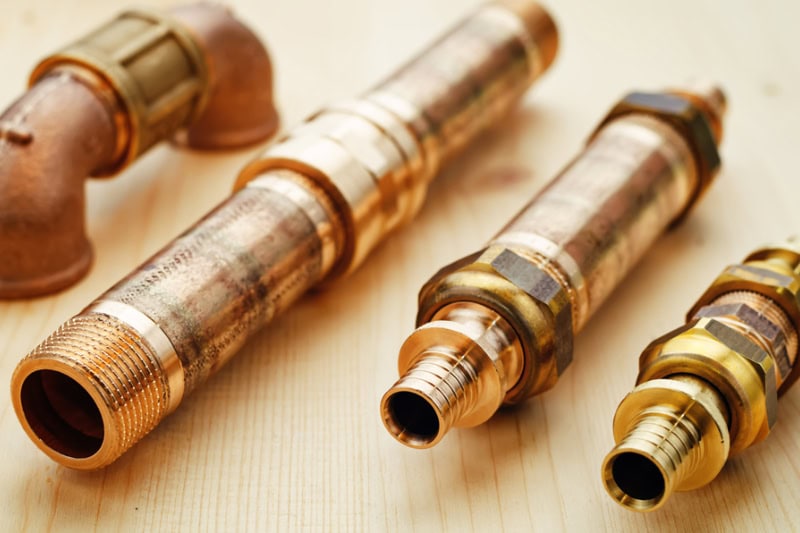
Let’s be honest—dealing with a clogged drain is never on anyone’s list of fun weekend activities in University City.

A running toilet might seem like a small annoyance for most Ladue, residents, but it can quietly waste hundreds of gallons of water every day and drive up your utility bill in the process. That constant trickling or hissing sound isn’t just irritating; it’s a sign that one or more internal components aren’t working as they should.

According to the U.S. CDC, municipal water systems with fluoride served approximately 73 percent of the U.S. population in 2018.
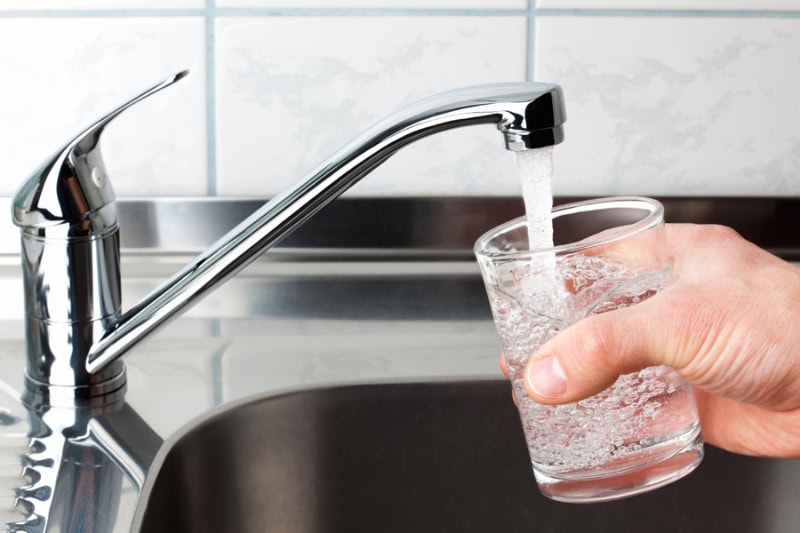
They’re called “forever chemicals” because they never seem to disappear. Perfluoroalkyl and polyfluoroalkyl substances (PFAS) are synthetic chemicals that do not break down in the environment or our bodies. They can travel through soil and groundwater to contaminate municipal water systems and private wells across the country.

You know what they say, “Upgrade your plumbing, upgrade your life.”
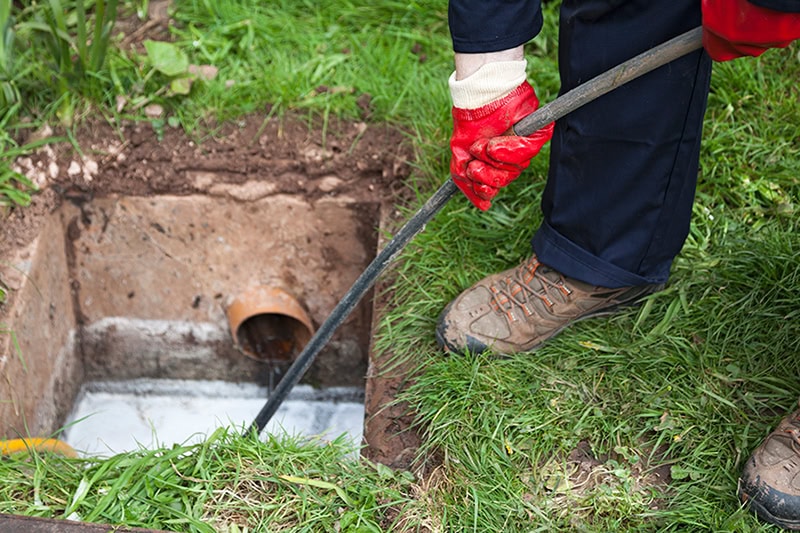
When people think of potential plumbing issues, tree roots are typically not the first culprit that comes to mind.

Microplastics are everywhere. The microscopic pieces of plastic are so tiny you do not notice them in the air you breathe and the food you eat. You will not see them flowing from your kitchen faucet or taste them in a bottle of purified water.